Specialized training for physiotherapists
Update your clinical practice with courses based on evidence and clinical reasoning
WHY TRAIN WITH ME?
The forefront of physiotherapy demands constant updating. As a university lecturer and speaker, I provide training to help professionals implement scientific advances in daily practice, reinforcing concepts such as the therapeutic alliance and exercise program prescription.
TRAINING CATALOG
I deliver the following seminars and courses adaptable to clinics and universities
Select Therapeutic Exercise Course in Physiotherapy: methodology, tools, and program design
Clinical reasoning in physiotherapy and its transfer to patients’ functional recovery
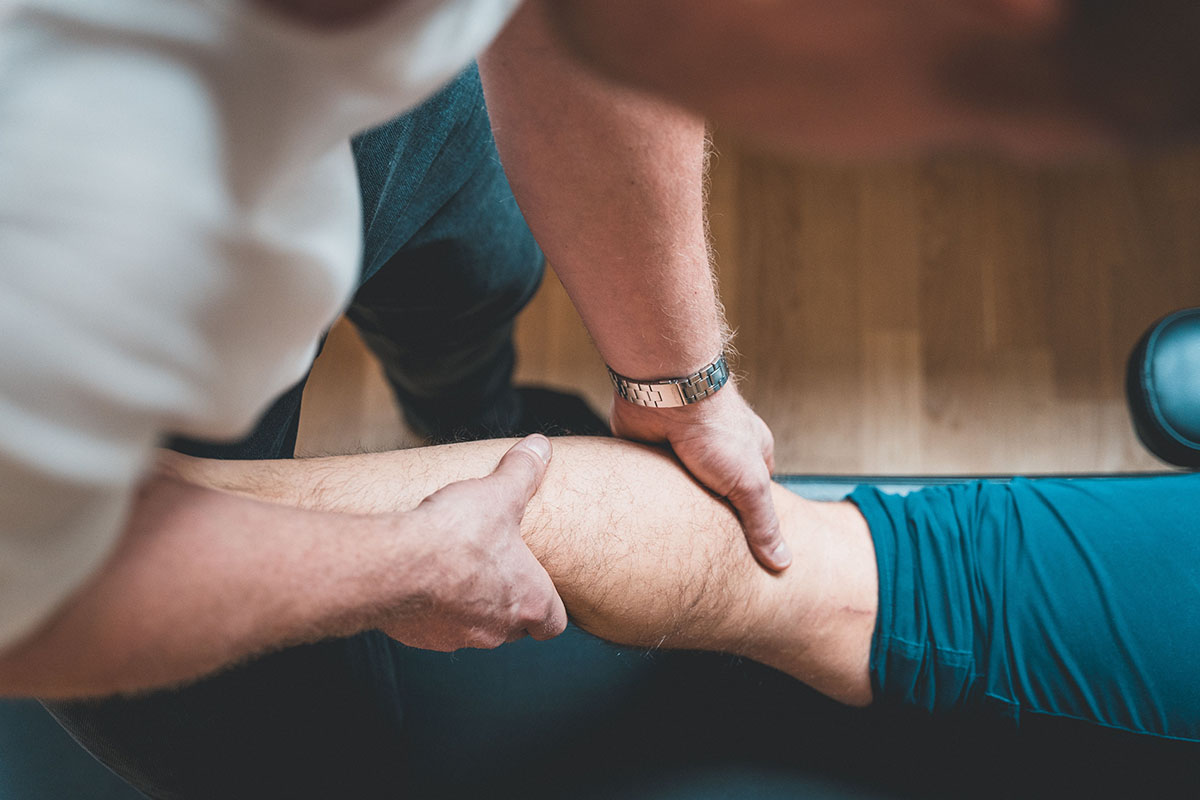
Design of functional recovery programs and development of treatment phases: from the treatment table to full recovery
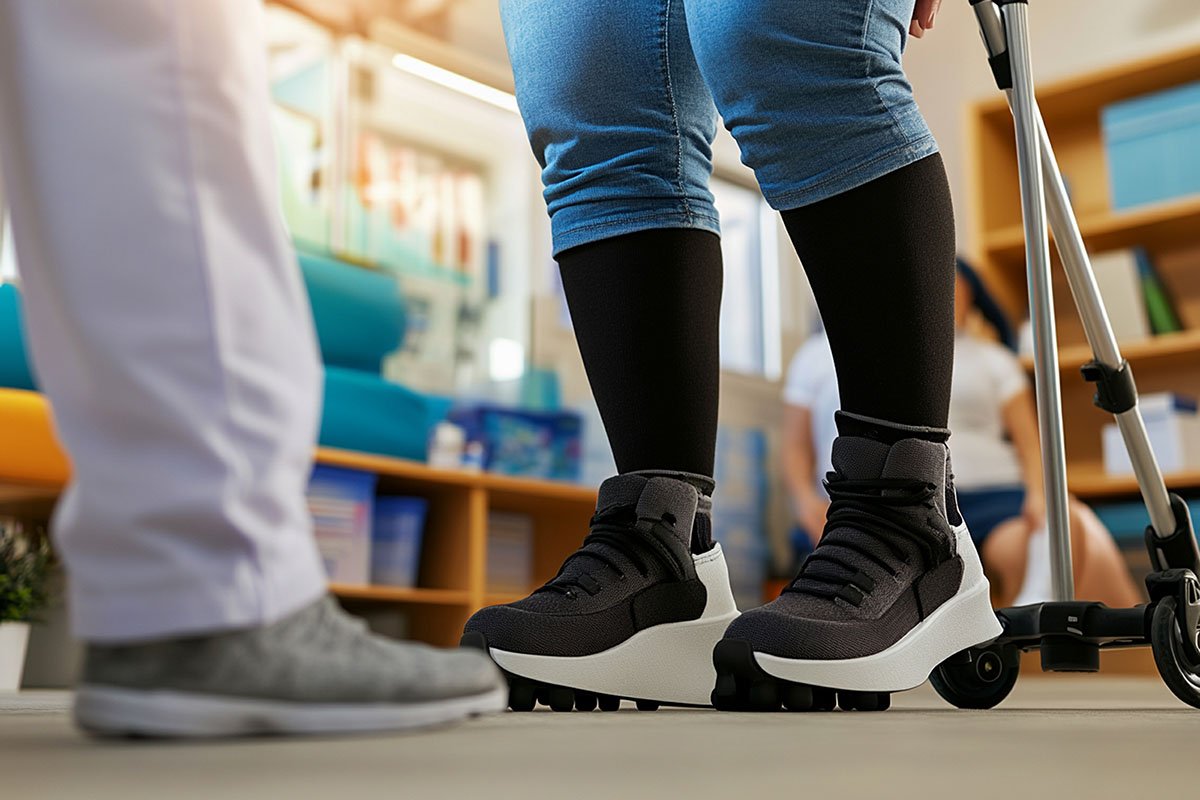
Motor control and learning

Advanced aspects in strength management
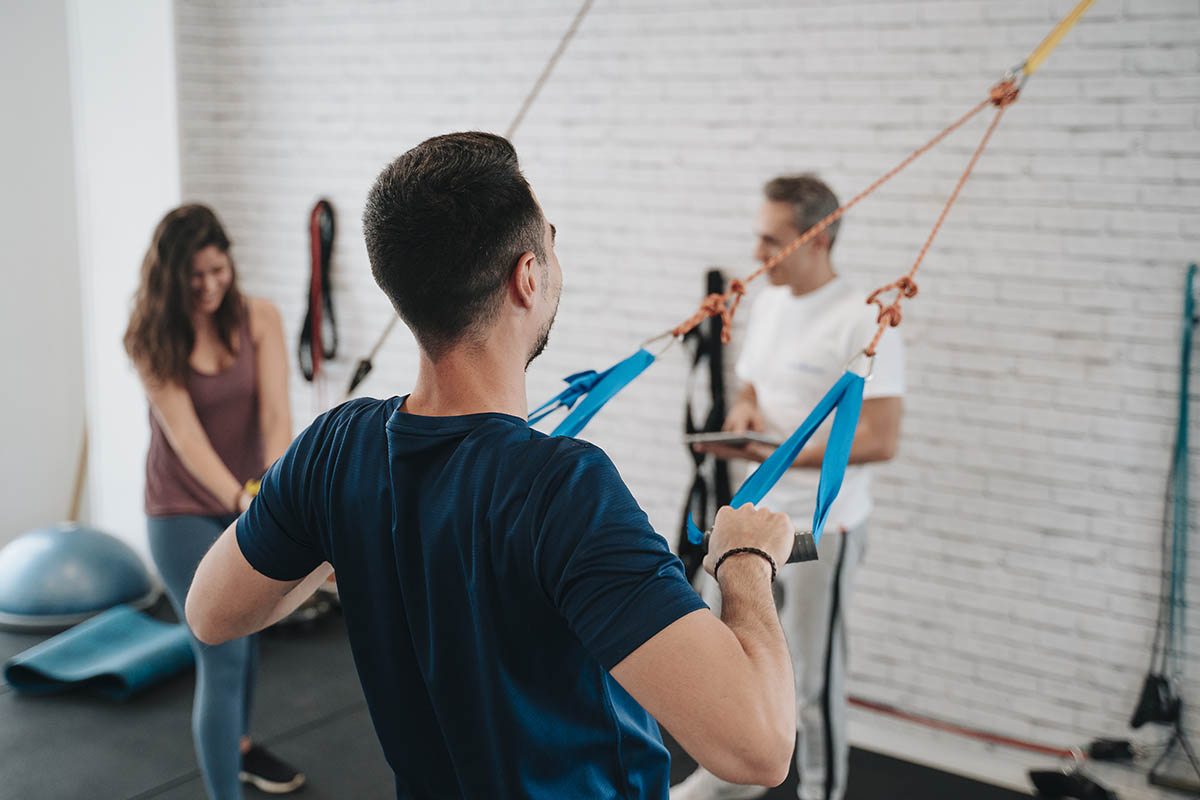
Key aspects in therapeutic exercise according to different tissues: muscle, tendon, bone, and ligament

Pain management through exercise

Diagnosis, decision-making, and treatment of the muscle complex in physiotherapy

TEACHING METHODOLOGY IN SEMINARS
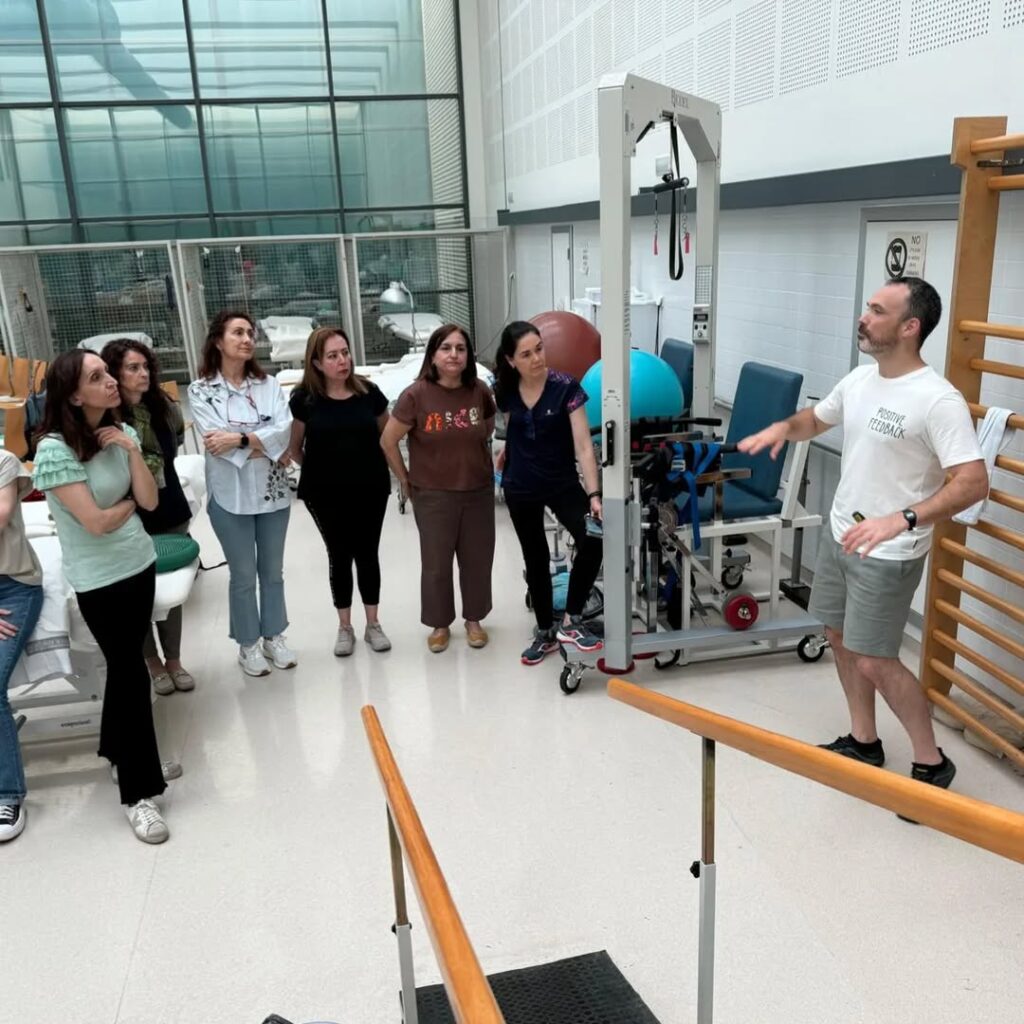
The objective is to provide the seminar with a large amount of practical work, with resources and reasoning applicable to patient management in clinical practice
Methodology
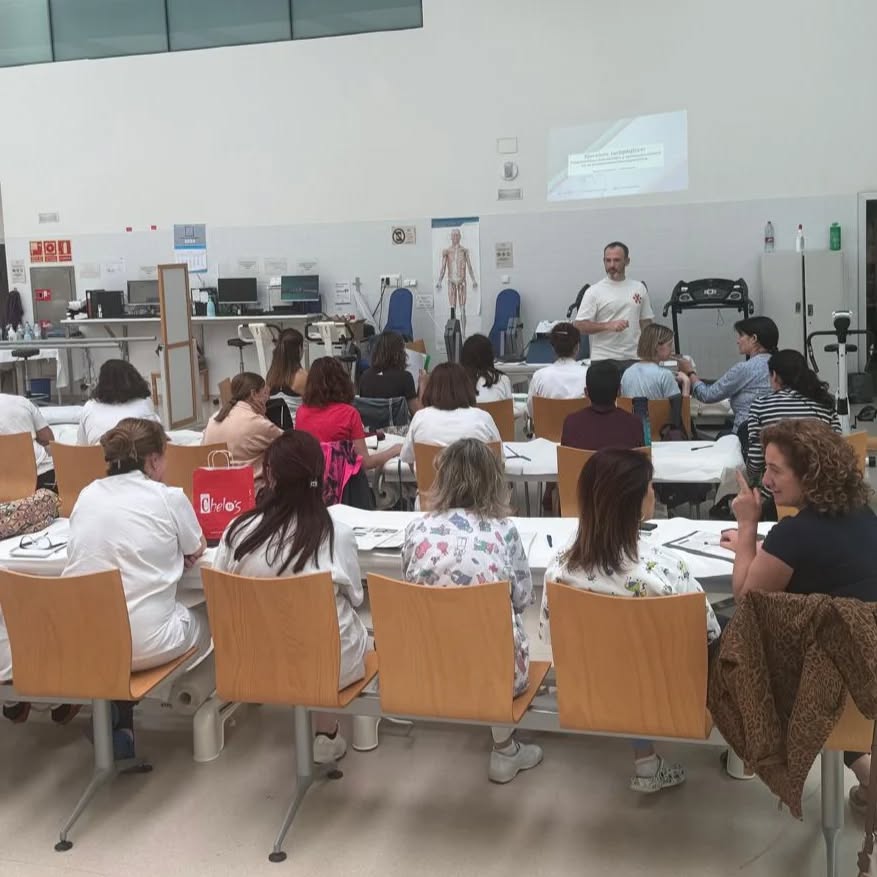
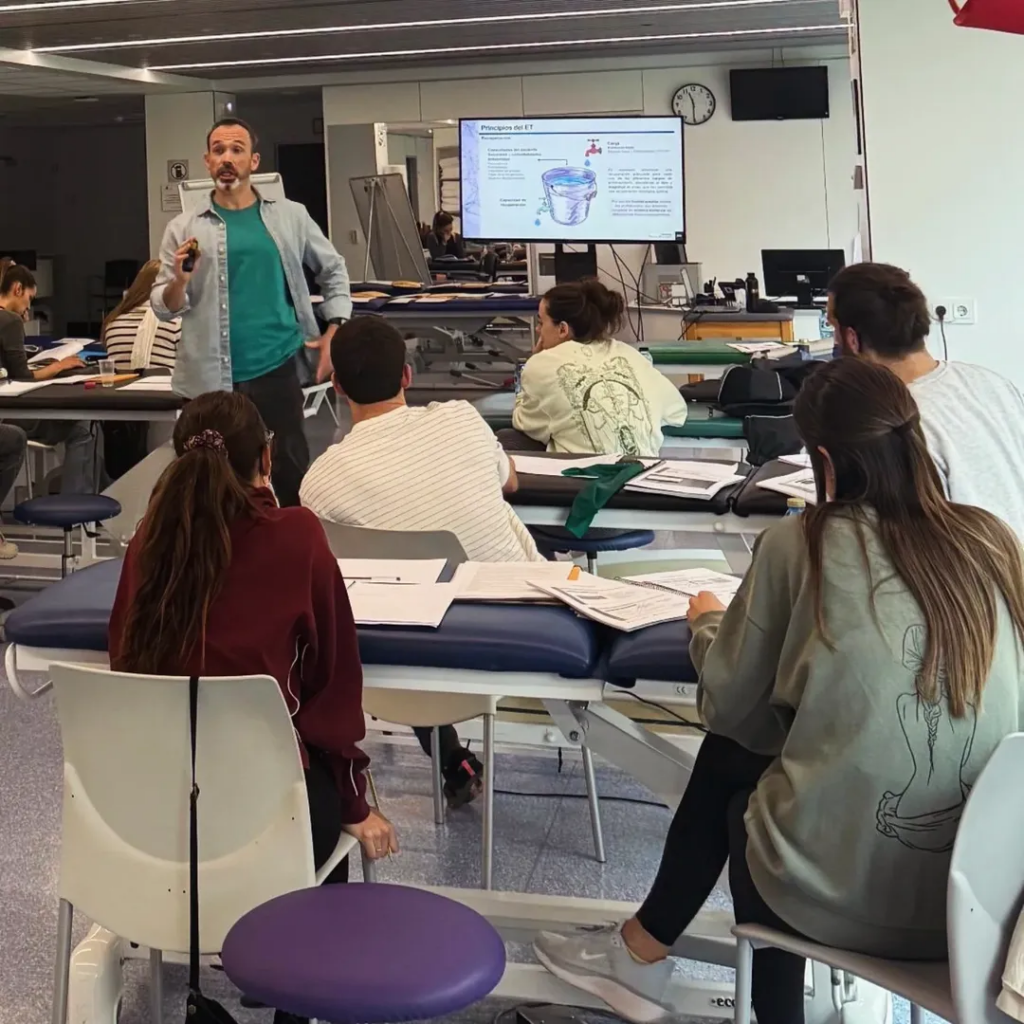
After each concept or theory block (every 1 h – 1 h 30’), we conduct a practical session in which the instructor encourages interactive and critical reasoning with the students.
There are two types of practical sessions, depending on the training level, related to the clinical cases presented in class:
Present various clinical cases and distribute them among the groups:
a. Address patoanatomy and its determinants in therapeutic exercise.
b. Apply relevant clinical reasoning and the basic concepts of exercise planning in ET prescription.Conduct a patient assessment and specific tests:
a. Anamnesis and influencing factors.
b. Practice and measure.Extract different safety parameters:
a. Design a phased session according to what was explained in class.Plan the program for these cases: objectives, phase consolidation criteria, re-tests, and progressions.
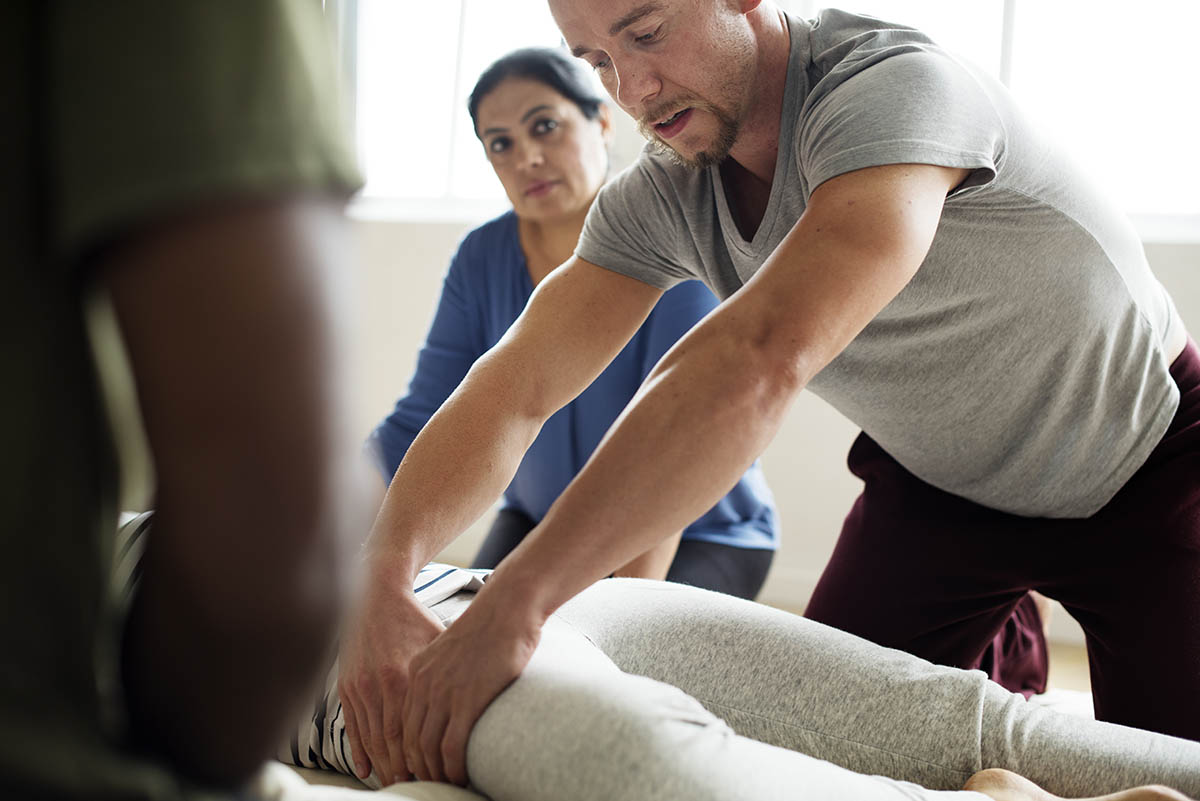
Practices are carried out with different materials and resources, using the explained exercise parameters and enhancing the ability to generate a wide range of exercises.
Related to the concepts covered in class:
Reasoning and practicing in relation to aspects such as variability, complexity, kinetics and kinematics, metabolic pathways, force expressions, motor control, and learning, etc.
The idea is to allow students to explore and reason in relation to theoretical aspects, fostering more interactive learning between students and instructors.